Love Looks Like Making Sure They’re Safe

Valentine’s Day is often associated with roses, cards, and dinner reservations. But as our parents grow older, love begins to look different.
It looks like checking in.
It looks like noticing small changes.
It looks like making sure they are safe when no one else is around.
Flowers are beautiful. Peace of mind lasts longer.
For many adult children, love in this season means asking deeper questions:
Are they taking their medications consistently?
Is mom eating enough during the day?
Is dad steady on his feet?
Are they feeling lonely?
These questions are not about worry. They are about care.
When “I’m Fine” Isn’t the Full Picture
Parents often say they are doing fine. And in many ways, they are. But small daily challenges can quietly build over time.
You might notice:
Pill bottles that look untouched
Groceries that have expired
A refrigerator that feels emptier than usual
Laundry piling up
Subtle weight loss
Slower movements or hesitations when walking
None of these necessarily signal crisis. But together, they may suggest that a little support could make daily life easier and safer.
Love means paying attention to those details.
Medication Matters More Than We Realize
One of the most common concerns families have is medication consistency.
After hospital visits or changes in prescriptions, routines can become complicated. Timing matters. Dosages matter. Missing even one or two doses can impact stability.
Gentle support at home can include:
Medication reminders at the right times
Organizing pill containers clearly
Monitoring for side effects
Ensuring prescriptions are refilled on schedule
This kind of help does not take away independence. It strengthens it.
When medications are managed consistently, health outcomes improve and preventable hospital visits decrease.
Nutrition Is Quiet but Powerful
Another area that often goes unnoticed is nutrition.
Cooking for one can feel like too much effort. Seniors may skip meals without realizing it. Appetite may decrease. Hydration may become inconsistent.
Over time, skipped meals can lead to:
Fatigue
Weakened immunity
Dizziness
Increased fall risk

Simple support such as:
Preparing light, balanced meals
Encouraging regular hydration
Sharing meals together
Monitoring appetite changes
can make a meaningful difference.
Sometimes the most loving gesture is simply ensuring there is food on the table.
Safety Is an Everyday Expression of Love
Falls are one of the leading reasons older adults end up in the hospital. Many happen at home, in familiar spaces.
You might notice:
Unsteadiness when standing
Slower transitions from chair to bed
Hesitation on stairs
Clutter that makes walkways narrow
A helping hand during these daily moments reduces risk and builds confidence.
Support can include:
Mobility assistance
Clear, safe walking paths
Encouragement for light activity
Observation for changes in balance
Safety is not about restriction. It is about reassurance.
Checking In Is an Act of Care
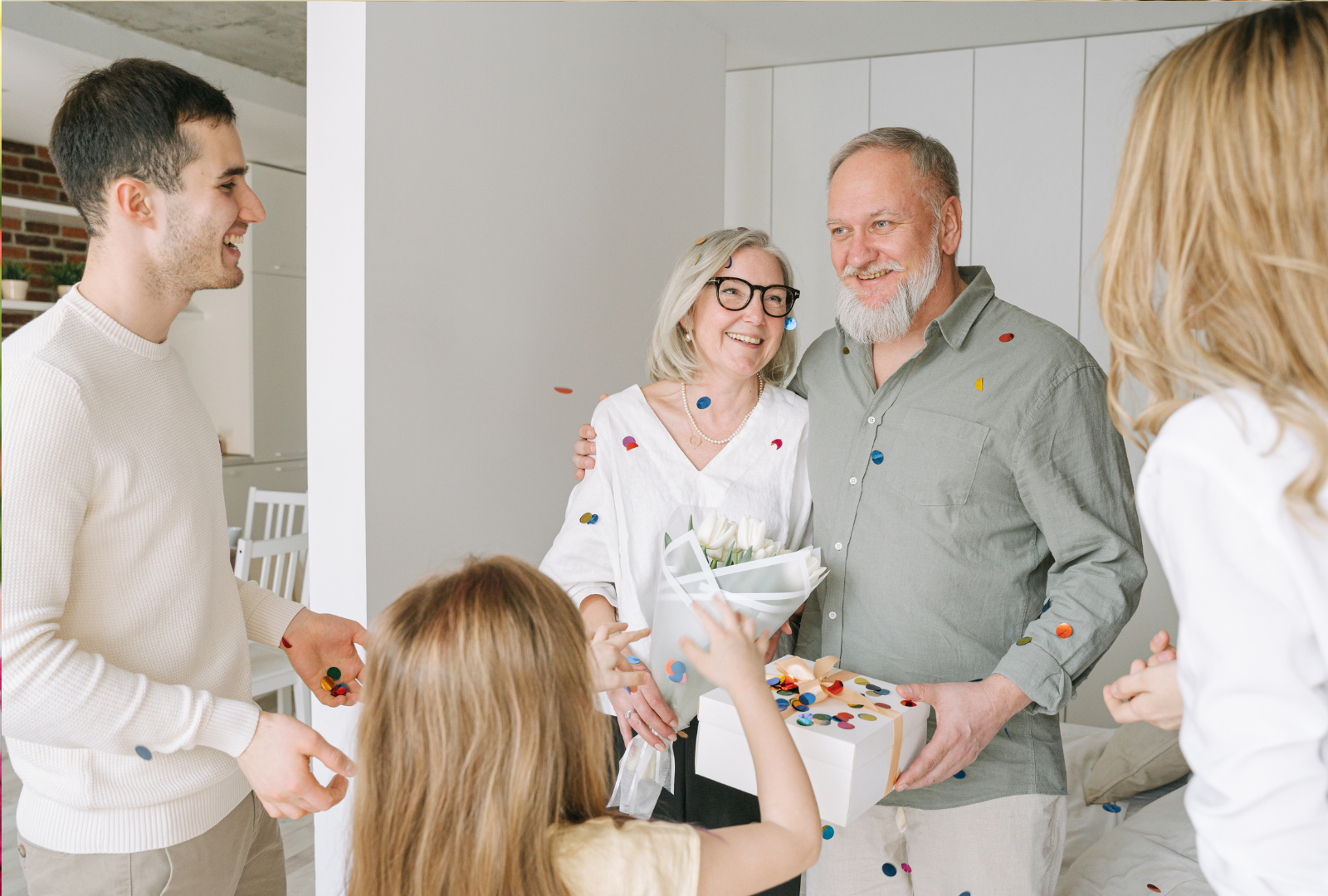
For adult children who live nearby, this season may mean more frequent visits. For those who live far away, it may mean phone calls and quiet concern.
Either way, distance adds emotional weight.
You may find yourself wondering:
Who is there during the day?
Who would notice if something changed?
Who makes sure they are not alone too long?
Love often feels like responsibility. But it should not feel like constant worry.
Companionship Is Not a Luxury
Loneliness can impact physical health as much as emotional health. Isolation is associated with higher rates of depression, cognitive decline, and even heart disease.
A steady presence in the home brings:
Conversation
Shared routines
Encouragement
Structure to the day
It reminds seniors that they are seen and valued.
Sometimes love is simply making sure someone is not alone.
At Elite Care Northwest, we understand that care decisions often begin with love.
Our caregivers provide thoughtful, respectful support that allows seniors to remain independent while ensuring daily safety and stability.
We assist with:
Medication reminders and routine support
Meal preparation and nutrition monitoring
Mobility and fall prevention assistance
Light housekeeping and errands
Compassionate companionship
As a physician-led home care agency, we combine medical awareness with personal warmth. Our goal is simple: to help families replace worry with peace of mind.
Love evolves over time.
It becomes quieter. More practical. More intentional.
This Valentine’s season, consider a gift that lasts beyond the bouquet. A gift that says, “I want you safe. I want you supported. I want you well.”
Flowers are beautiful. Peace of mind lasts longer.
If you are thinking about extra support for your parent, Elite Care Northwest is here to help your family navigate the next step with clarity and compassion.
Contact us today to learn how we can support the people you love most.