Why Home-Based Care Keeps Growing and What It Means for Families

A Clear Shift in How Families Think About Care
Across the country, families are rethinking what senior care should look like. For decades, moving into a facility was often seen as the natural next step when care needs increased. Today, that assumption is changing.
More seniors and families are choosing home-based care instead.
This shift is not driven by convenience alone. It is rooted in better outcomes, emotional well-being, and the simple truth that most people want to remain in the place they know best. As the aging population grows, this movement is accelerating and shaping how families plan for care in 2026 and beyond.
What Is Driving the Growth of Home-Based Care
Several factors are contributing to the rapid rise of home-based care.

1. Seniors Want to Stay Home
Surveys consistently show that the vast majority of older adults prefer to age in place. Home represents familiarity, identity, and independence. For many, leaving home feels like giving up control at a time when stability matters most.
Home-based care makes it possible to receive support without sacrificing that sense of belonging.
2. Better Health and Emotional Outcomes
Recovering and living at home often leads to better overall well-being. Familiar environments reduce stress, confusion, and anxiety, especially for seniors managing chronic conditions or cognitive changes.
At home, care is personalized. Routines remain consistent. Meals, sleep schedules, and daily activities can be tailored rather than standardized.
These factors contribute to improved outcomes and fewer disruptions.
3. Facilities Are Not Always the Best Fit
While care communities play an important role for some individuals, they are not the right solution for everyone. Facilities can be expensive, overwhelming, and emotionally difficult for seniors who value privacy and independence.
Home-based care offers flexibility. Support can increase gradually rather than requiring a major life transition all at once.
4. The Aging Population Is Growing
As the population ages, the demand for care is rising faster than facilities alone can accommodate. Home-based care helps meet this demand by providing scalable, individualized support where people already live.
This trend is expected to continue well into 2026 and beyond.
What Aging in Place Really Looks Like Today
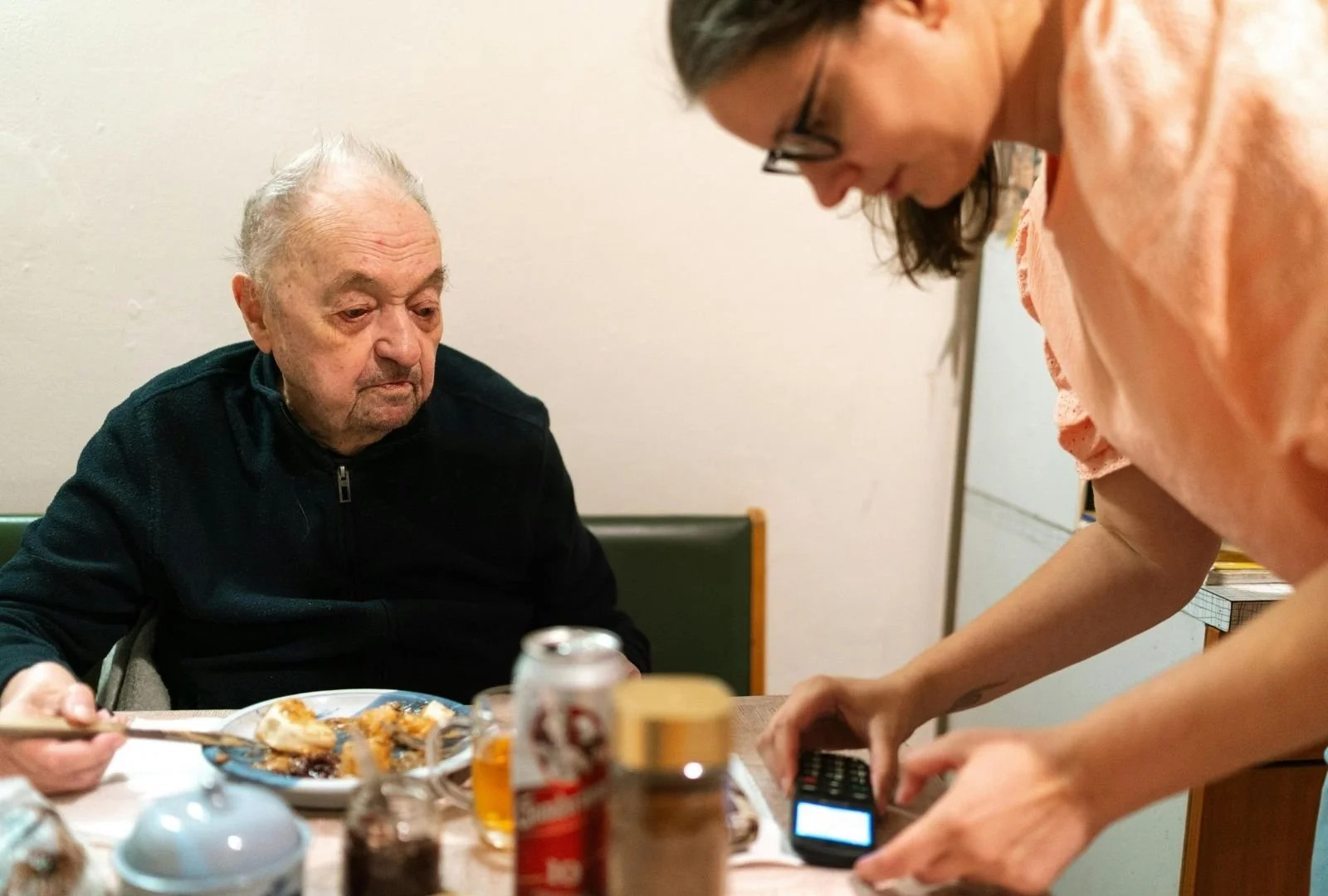
Aging in place does not mean doing everything alone. It means receiving the right level of help at the right time.
Home-based care can include:
Assistance with bathing, dressing, and grooming
Medication reminders and routine support
Mobility assistance and fall prevention
Meal preparation and hydration monitoring
Light housekeeping and errands
Companionship and emotional support
Support after hospital stays or during recovery
Care is customized and can change as needs evolve.
For families, this flexibility is one of the most valuable benefits.
Why Families Feel More at Ease with Home-Based Care
One of the biggest concerns families have is safety. They want to know their loved one is not alone during vulnerable moments and that someone will notice changes early.
Home-based caregivers provide:
Consistent presence and observation
Early detection of issues before they escalate
Support with following medical instructions
Communication with family members
Reassurance that daily routines are being managed
This proactive approach often prevents crises and reduces hospital readmissions, which adds to family peace of mind.
Care That Adapts as Life Changes
Unlike facility care, which often requires a major transition when needs increase, home-based care grows with the individual.
Support can start small and expand over time:
A few hours a week for companionship
Daily check-ins for safety and routines
Short-term help after surgery or illness
Long-term support for chronic conditions
Families do not have to make all decisions at once. Care plans can be adjusted as circumstances change.
A Common Family Experience
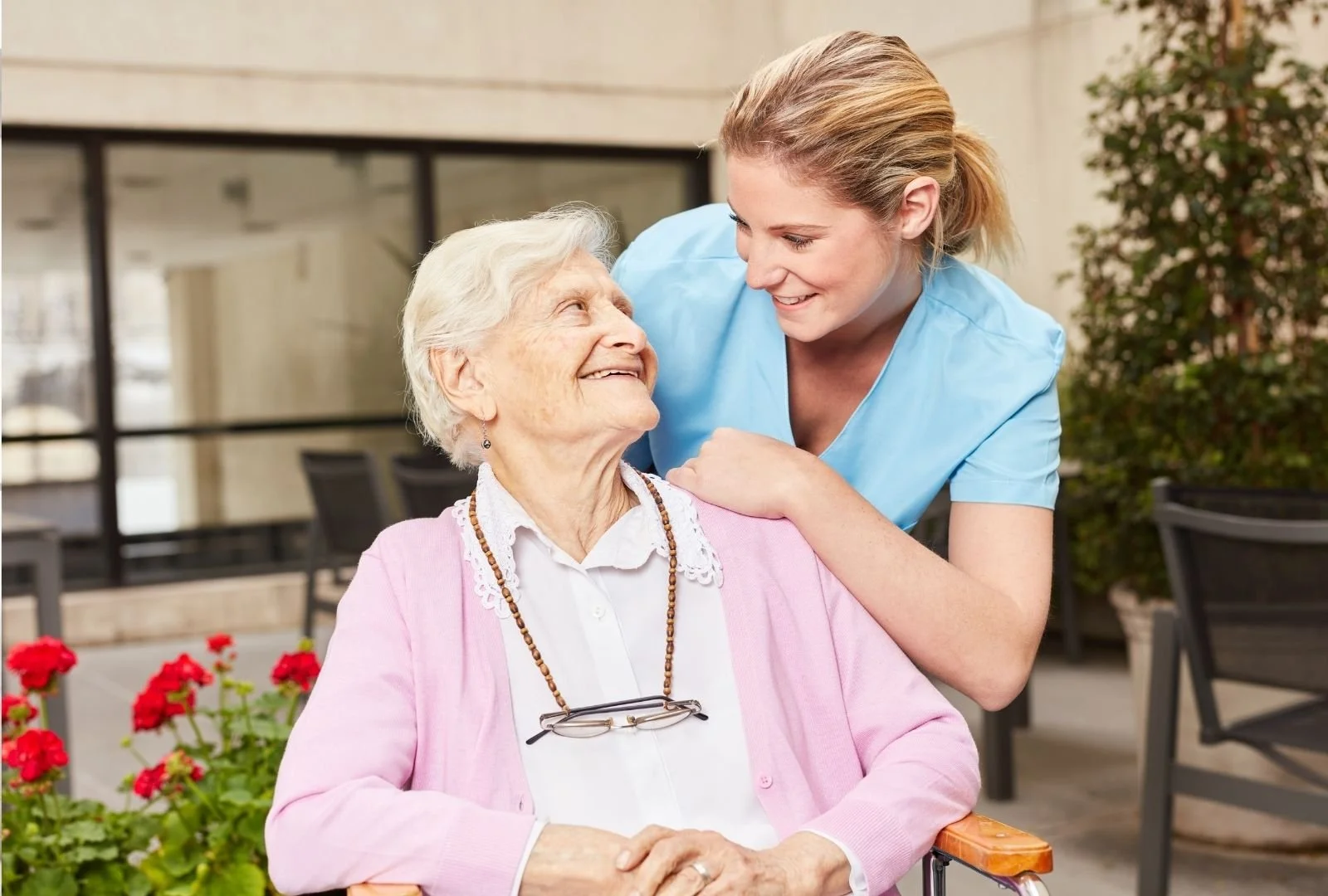
Many families notice the need for help gradually. A parent may miss medications occasionally. The house may become harder to maintain. Balance may not be as steady as before.
These moments do not always require a move. Often, they signal the need for thoughtful support at home.
With a caregiver in place, families often describe a sense of relief. They can focus on being sons, daughters, or spouses again rather than full-time caregivers.
Why 2026 Is a Turning Point
The coming years are shaping a new standard for senior care.
Advances in care coordination, better understanding of aging, and increased caregiver availability are making home-based care more effective than ever. Families are also more informed and intentional about choosing care that aligns with their values.
In 2026, home-based care is no longer an alternative. It is becoming the preferred option for many families.
At Elite Care Northwest, we support seniors and families who choose to age in place with confidence and clarity.
Our approach focuses on:
Personalized care plans that reflect each individual’s needs
Caregiver consistency to build trust and familiarity
Support for daily routines, safety, and independence
Coordination with families and healthcare providers
Compassionate companionship alongside practical care
As a physician-led home care agency, we bring medical awareness into everyday support, helping families feel secure in their care decisions.
Home-based care is growing because it works. It honors independence, supports better outcomes, and offers families something invaluable: peace of mind.
As more people choose to age in place, families have more options than ever to support loved ones without forcing unnecessary transitions.
If your family is considering care at home, Elite Care Northwest is here to help you navigate the path with confidence, compassion, and clarity.
Contact us today to learn how home-based care can support your family now and into the future.