Aging at Home in 2026: What Families Are Choosing Now
In 2026, aging looks different than it did even five years ago.
Families are more informed. Seniors are living longer. Care options are more flexible. And one preference stands out clearly: more people are choosing to age at home.
The shift is not dramatic or reactive. It is intentional. Families are carefully evaluating care options and asking practical questions about independence, comfort, and long-term sustainability.
The result is a growing preference for individualized home-based care over immediate facility placement.

Trend 1: Individualized Care Over One-Size-Fits-All
One of the biggest changes in 2026 is the move away from standardized care environments.
Facilities often operate on shared schedules and uniform routines. Home-based care, by contrast, adapts to the individual.
Families are choosing care that:
Follows the senior’s preferred daily rhythm
Adjusts to fluctuating health conditions
Preserves personal routines and traditions
Respects independence while adding support
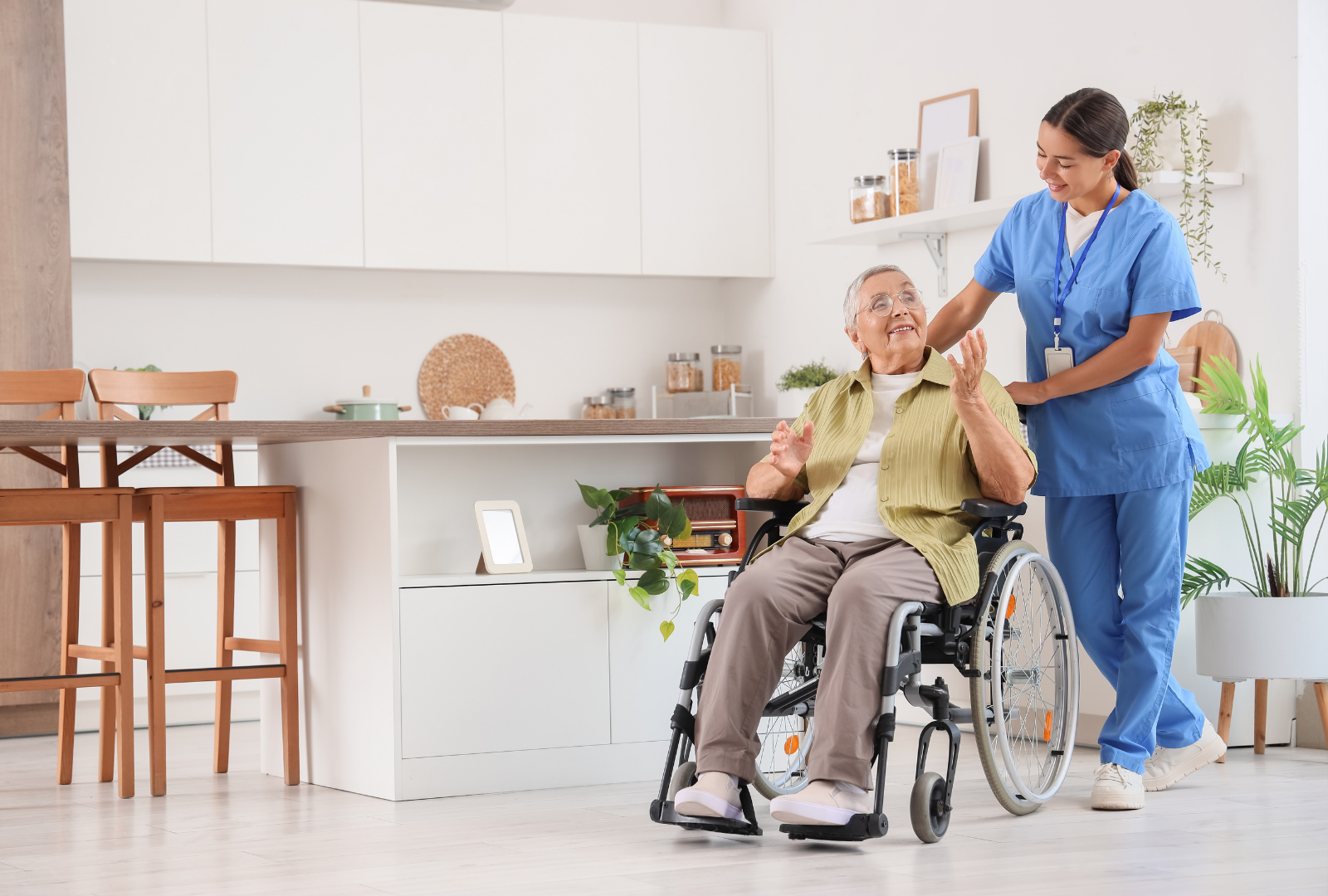
Instead of relocating to a new environment, seniors can receive assistance within the comfort of their own home.
This approach often leads to improved emotional well-being and reduced stress, especially for individuals managing chronic conditions or early cognitive changes.
Trend 2: Short-Term Care Before Major Decisions
Another noticeable shift in 2026 is the growing use of short-term care.
Rather than moving directly into a facility after:
A hospital stay
A fall
A new diagnosis
A period of increased fatigue
Families are choosing transitional home care first.
Short-term in-home care allows time to:
Evaluate recovery progress
Observe how daily routines are functioning
Assess long-term needs without urgency
Avoid premature permanent placement
This pause creates space for thoughtful decision-making instead of reactive choices.
For many families, short-term care becomes long-term support because they realize the home environment remains workable with the right assistance.
Trend 3: Respite Care Is Becoming Normalized
In previous years, families often hesitated to seek respite support, viewing it as a last resort.
In 2026, respite care is viewed differently. It is seen as:
A proactive support system
A tool for preventing caregiver burnout
A way to maintain healthy family dynamics
A bridge during travel, work, or temporary stress
More adult children live in different cities or states than their aging parents. Regular respite care allows them to step back without compromising safety.
This normalization of respite care reflects a broader understanding that sustainable caregiving requires shared responsibility.
Why Families Are Making These Choices
Several factors are influencing these care preferences:
Longer Lifespans
People are living longer with manageable chronic conditions. This requires adaptable care rather than immediate institutional support.
Improved Home Care Coordination
Caregivers now work more closely with physicians, therapists, and families, making home care more medically aligned and effective.
Emotional Well-Being Matters
Families recognize that emotional stability, routine, and familiarity contribute to better outcomes.
Cost and Flexibility
Home care can be adjusted in hours and intensity, allowing families to control both structure and budget.
What This Means for Your Family
If you are beginning to notice changes in a parent’s mobility, energy, or memory, you are not alone.
In 2026, most families are not jumping straight to facility placement. Instead, they are asking:
Can we add support at home first?
Would part-time care stabilize things?
Can respite care give us breathing room?
Is recovery manageable without relocating?
These are thoughtful questions.
The answer, increasingly, is yes.
With the right support, aging at home is not only possible but sustainable.
When Home Care Works Best
Home-based care is especially effective when families want to:
Prevent falls and hospital readmissions
Support medication routines
Assist with meals and hydration
Provide companionship to reduce isolation
Offer structure without disrupting independence
Allow time before making permanent transitions
Care does not need to be all or nothing. It can begin gradually and expand only if needed.
How Elite Care Northwest Supports Families in 2026
At Elite Care Northwest, we see firsthand how families are approaching care differently.
We support aging in place through:
Individualized care plans tailored to each client
Short-term recovery and discharge support
Ongoing daily assistance when needed
Respite services that give families balance
Consistent caregiver matching for stability and trust
As a physician-led home care agency, we combine medical awareness with compassionate daily support. Our focus is to help families make informed decisions without pressure.
Aging at home in 2026 is not about avoiding care. It is about choosing the right kind of care at the right time.
Families are prioritizing flexibility, individualized support, and preventive solutions before making permanent changes.
If you are exploring options for a loved one, know that you have more choices than ever before. Aging in place is no longer the exception. It is becoming the preferred path.
Elite Care Northwest is here to help you evaluate those options with clarity, professionalism, and compassion.
Contact us today to discuss how home-based care can support your family now and into the future.