The Hospital Stay Is Over. Now What?
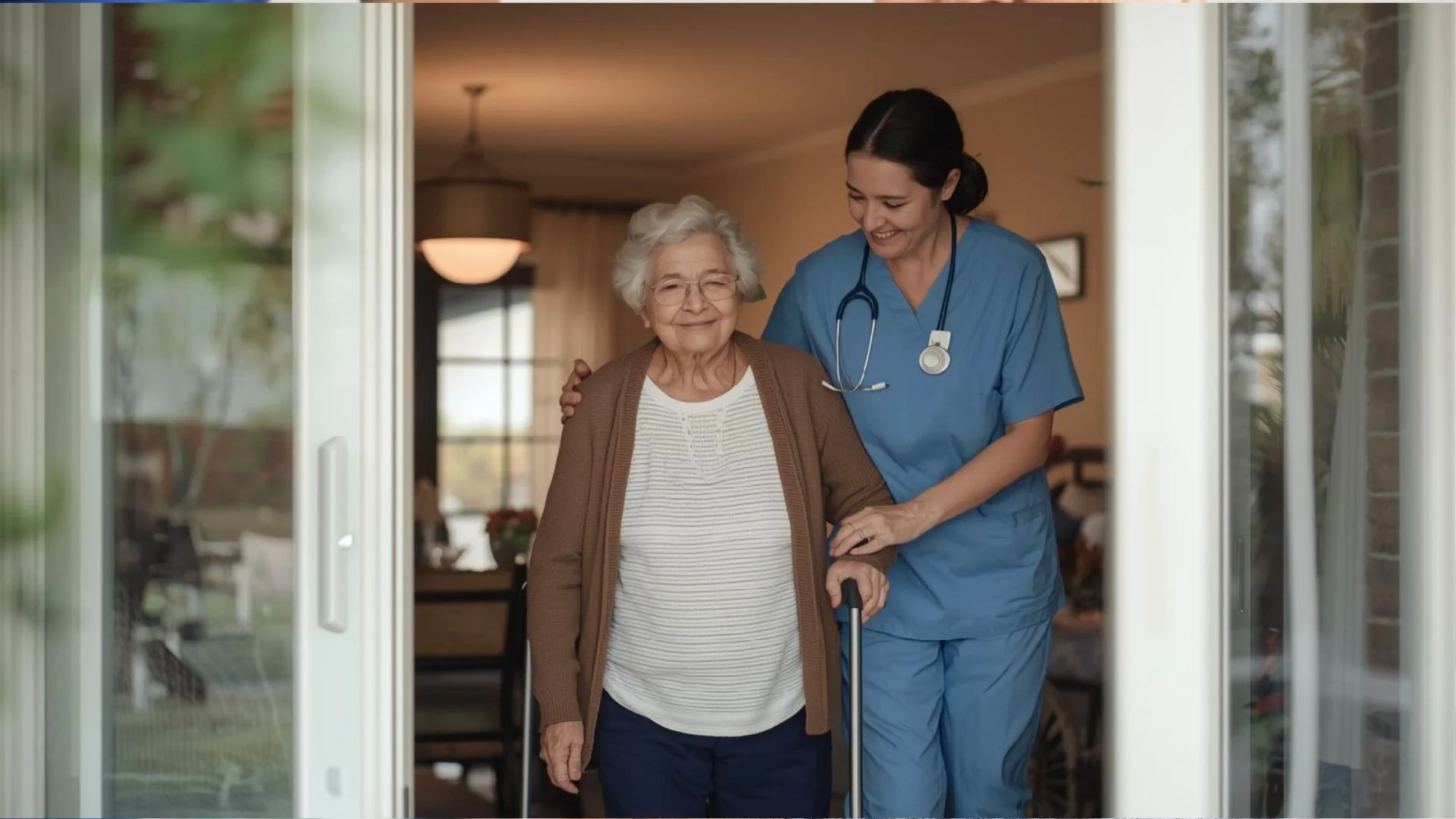
Discharge day often feels like a victory. The hospital stay is over, the paperwork is signed, and your loved one is finally coming home. Families breathe a sigh of relief, grateful to leave behind hospital rooms and constant alarms. But once the front door closes and the hospital bed is gone, a new reality sets in. Recovery is not finished. In many ways, it has just begun.
Why the Transition Home Can Feel Overwhelming
Hospitals provide constant structure. Nurses check in regularly. Medications are given on schedule. Help is always just a call button away. At home, that structure disappears overnight. Families often find themselves asking:
How do we manage medications correctly?
What if they fall while getting to the bathroom?
Are we helping too much or not enough?
What signs should we watch for?
Who is checking in now?
These questions are common, and they highlight why the hospital-to-home transition is one of the most vulnerable moments in recovery.
What Still Needs Support After Discharge
Even when doctors say someone is “ready to go home,” it does not mean they are ready to be on their own.
Common post-discharge needs include:
Mobility assistance and fall prevention
Medication reminders and monitoring
Help with bathing, dressing, or toileting
Meal preparation and hydration support
Monitoring for signs of infection or complications
Emotional reassurance and supervision
Support following lifting or activity restrictions
Without the right support, small issues can quickly become serious setbacks.
The Risk of Doing Too Much or Too Little
Families often struggle to find balance. Some worry about being overly cautious and limiting independence. Others worry about stepping back too soon. Both situations can increase stress and risk. The goal of hospital-to-home care is not to replace independence. It is to support recovery at the right pace.
Having experienced caregivers present helps ensure:
Movement is encouraged safely
Instructions from the hospital are followed accurately
Rest and activity are balanced properly
Recovery stays on track without unnecessary strain
Why Home Recovery Is Different for Seniors
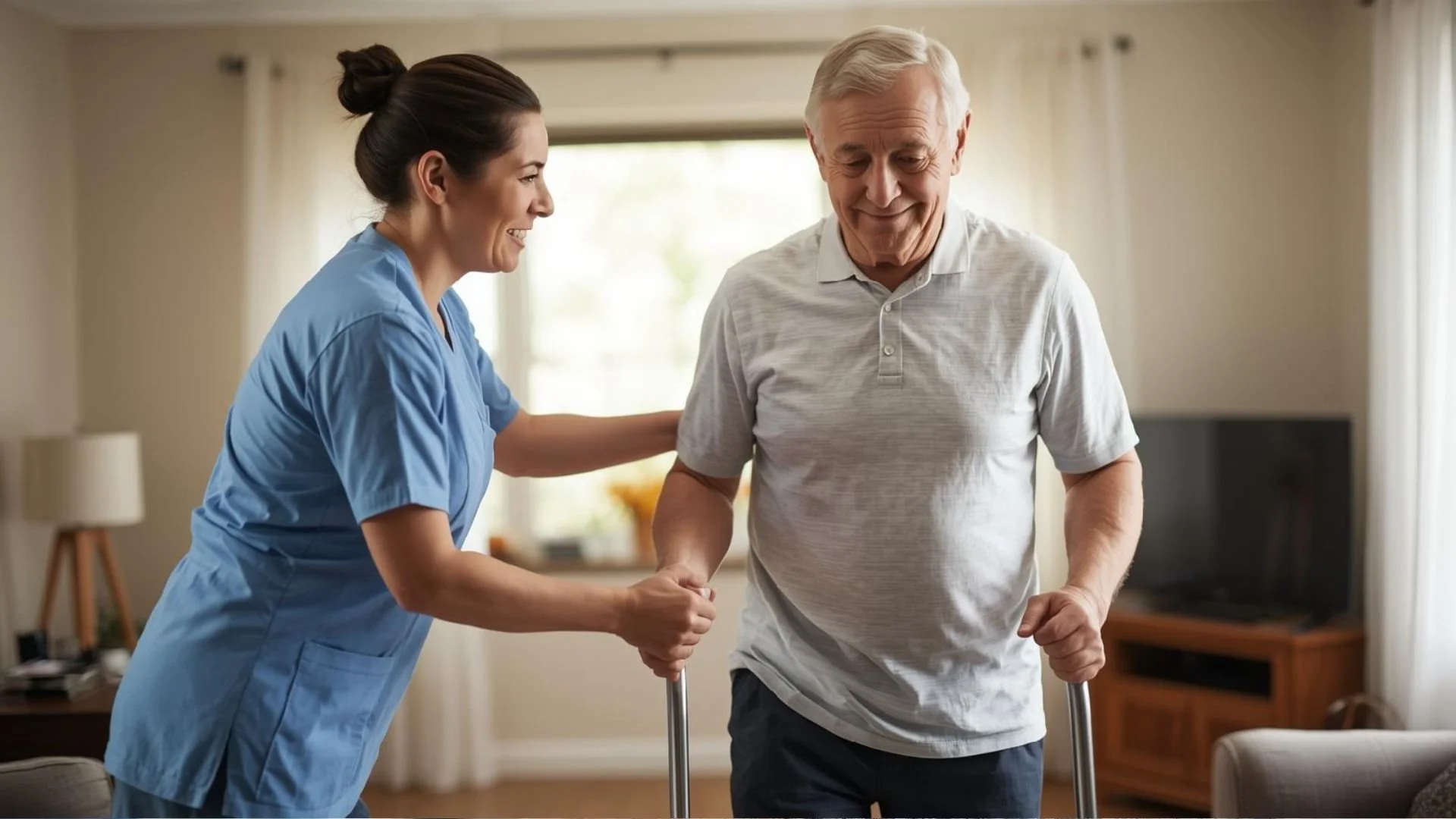
For older adults, recovery takes more time. Energy levels are lower. Balance may be affected. Medication sensitivity can increase. Even familiar homes can feel challenging during healing. Simple tasks like standing up from a chair, walking to the kitchen, or showering can require assistance.
A safe transition home focuses on:
Reducing fall risk
Preserving dignity during personal care
Maintaining routines that support healing
Preventing confusion or medication errors
Creating a calm, predictable environment
Hospital-to-Home Care Is About Prevention
Many hospital readmissions are preventable. They often happen because early warning signs go unnoticed at home.
Caregivers help prevent complications by:
Observing changes in mobility, appetite, or energy
Ensuring medications are taken correctly
Supporting hydration and nutrition
Communicating concerns early to families or providers
Reinforcing discharge instructions consistently
This proactive presence can make the difference between a smooth recovery and a return to the hospital.
A Common Scenario Many Families Face
A loved one returns home after surgery or illness. The first day goes well. The second day is harder. Pain increases. Fatigue sets in. Medications are confusing. Walking feels unsteady. Family members want to help but may not know what is normal or when to worry. This is when support matters most. A calm, trained caregiver provides reassurance. They help with movement, keep routines steady, and notice small changes early. Recovery feels manageable again.
Effective discharge support at home often includes:
Assistance with transfers, walking, and positioning
Personal care with privacy and respect
Medication reminders aligned with discharge instructions
Meal preparation that supports healing
Light housekeeping to reduce hazards
Companionship and emotional support
Coordination with family members and care teams
This kind of care allows seniors to focus on healing rather than struggling through each day alone.
At Elite Care Northwest, we understand that discharge day is not the finish line. It is the starting point of recovery at home.
Our hospital-to-home discharge care is designed to support seniors during this critical transition with calm, consistent, and medically informed care.
We help by providing:
Safe mobility and fall-prevention support
Medication reminders and routine reinforcement
Assistance with daily activities during recovery
Emotional reassurance and companionship
Observation and communication when concerns arise
As a physician-led home care agency, every care plan is informed by medical insight and tailored to each individual’s recovery needs.
The hospital stay may be over, but recovery does not stop at the front door.
With the right support at home, healing can continue safely, calmly, and with dignity. Families gain peace of mind. Seniors gain confidence. And the transition from hospital to home becomes what it should be: a step forward, not a setback.
If your loved one is coming home from the hospital, Elite Care Northwest is here to help ensure the next chapter of recovery is supported every step of the way.
Contact us today to learn how our hospital-to-home discharge care can support your family.