Why families need more than basic caregiving when memory changes affect daily life
Dementia care is changing.
For many families, this change feels personal. A parent begins repeating the same question. A spouse becomes anxious in the evening. A loved one who once managed appointments, meals, and daily routines now needs more reminders, more patience, and more supervision.
At first, families may think they simply need “extra help.” Someone to prepare meals. Someone to keep the house tidy. Someone to make sure their loved one is not alone. These supports are important, but dementia often requires something deeper.

Dementia care is becoming more specialized because Alzheimer’s disease and related dementias affect far more than memory. They can change communication, judgment, mood, sleep, movement, safety awareness, and the way a person experiences the world around them.
Over 7 million Americans are currently living with Alzheimer’s disease, and that number is expected to grow significantly in the coming decades. As more families face dementia at home, they are looking for caregivers who understand not just the tasks of caregiving, but the why behind dementia-related behaviors.
Specialized dementia care at home helps families respond with more confidence, more compassion, and more practical structure. It allows seniors to age in place when possible while helping protect safety, dignity, and quality of life.
What Specialized Dementia Care Means
Specialized dementia care is care designed around the way dementia affects the brain, behavior, and daily life.
This does not mean every caregiver needs to speak in medical terms or act like a neurologist. It means caregivers should understand that dementia-related behaviors often have a reason behind them.
A senior may refuse a shower because the bathroom feels cold or confusing. They may become upset in the evening because they are tired, overstimulated, or experiencing sundowning. They may repeat a question because they cannot hold onto the answer, not because they are trying to be difficult.
Specialized care helps shift the response from correction to understanding.
Instead of saying, “I already told you,” a trained caregiver may calmly redirect. Instead of rushing a task, they may slow the pace. Instead of arguing about what is true, they may focus on comfort, safety, and reassurance.

This kind of care often includes:
Calm communication
Consistent daily routines
Memory-friendly activities
Safety supervision
Fall prevention awareness
Gentle redirection
Support with meals, hydration, and personal care
Understanding triggers for anxiety or agitation
Family updates and caregiver coaching
A care plan that adapts as needs change
The goal is not to control every moment. The goal is to create a safer, calmer, more supportive environment.
Why Dementia Care Is Becoming More Specialized
As the number of older adults living with Alzheimer’s continues to grow, families are realizing that dementia care requires more than general senior care.
Traditional caregiving may focus mainly on tasks. Did the person eat? Did they bathe? Did they take a walk? Did the laundry get done?
Specialized dementia care looks at the full experience. Was the person calm during the routine? Did the activity feel familiar? Did the caregiver use simple instructions? Was the environment too noisy? Did the senior feel rushed, embarrassed, or confused?
These details matter because dementia changes how a person processes information.
A routine that seems simple to the family may feel overwhelming to the senior. Getting dressed may involve too many steps. Taking medication may create confusion. Leaving the house may feel frightening. A busy room may cause agitation.
When caregivers understand these changes, care becomes more thoughtful. Families may see fewer stressful moments, better daily rhythm, and more meaningful connection.
The Impact on Daily Life
Dementia changes everyday life in ways that can be hard for families to explain.
A daughter may notice that her mother can still talk warmly about childhood memories but forgets whether she has eaten lunch. A husband may feel hurt when his wife becomes suspicious or withdrawn. An adult son may worry because his father is still physically strong but no longer understands when it is unsafe to leave the house alone.
These situations are not only practical. They are emotional.
Families often carry a quiet mix of love, grief, guilt, and exhaustion. They want to protect their loved one, but they also want to preserve dignity. They want to help, but they may not know how to respond when memory changes lead to fear, resistance, or frustration.
Specialized dementia care can help make daily life feel more manageable.
For example:
A morning routine can be simplified into calm, familiar steps
Meals can be supported with gentle reminders and companionship
Walks can be supervised to reduce fall or wandering risks
Activities can be chosen based on past interests and current ability
Evening restlessness can be met with routine, quiet, and reassurance
Family caregivers can receive relief before burnout becomes severe
In real life, progress may look small. A calmer bath. A safer walk. A peaceful lunch. A familiar song that brings a smile. These moments matter.
Signs a Loved One May Need Specialized Dementia Care
Families do not need to wait for a crisis before asking for help. Early support can make aging in place safer and less stressful.
You may want to consider specialized dementia care if you notice:
Repeated questions or frequent confusion
Missed meals, medication concerns, or hydration issues
Increased anxiety, agitation, or suspicion
Wandering or attempts to leave home unsafely
Changes in sleep or evening restlessness
Difficulty bathing, dressing, or grooming
Unsafe cooking or household habits
More falls, near falls, or mobility concerns
Withdrawal from hobbies or social connection
Family caregiver stress, exhaustion, or conflict
These signs do not mean the family has failed. They mean the care situation is changing.
Dementia is progressive, which means needs often increase over time. Having the right support in place early can help families respond with more patience and less panic.
Practical Guidance for Families
When dementia care becomes more complex, families often need simple, steady steps.
Create a predictable routine
A consistent daily rhythm can reduce confusion. Try to keep waking, meals, activities, rest, and bedtime as predictable as possible.
Use simple communication
Short sentences are often easier to understand. Offer one instruction at a time. A calm tone can matter as much as the words.
Focus on comfort before correction
Correcting every mistaken detail can increase stress. When safety is not at risk, reassurance may be more helpful than arguing.
Watch for triggers
Agitation may be connected to hunger, pain, fatigue, overstimulation, fear, or a confusing environment. Look for patterns instead of assuming the behavior is random.
Keep activities meaningful but manageable
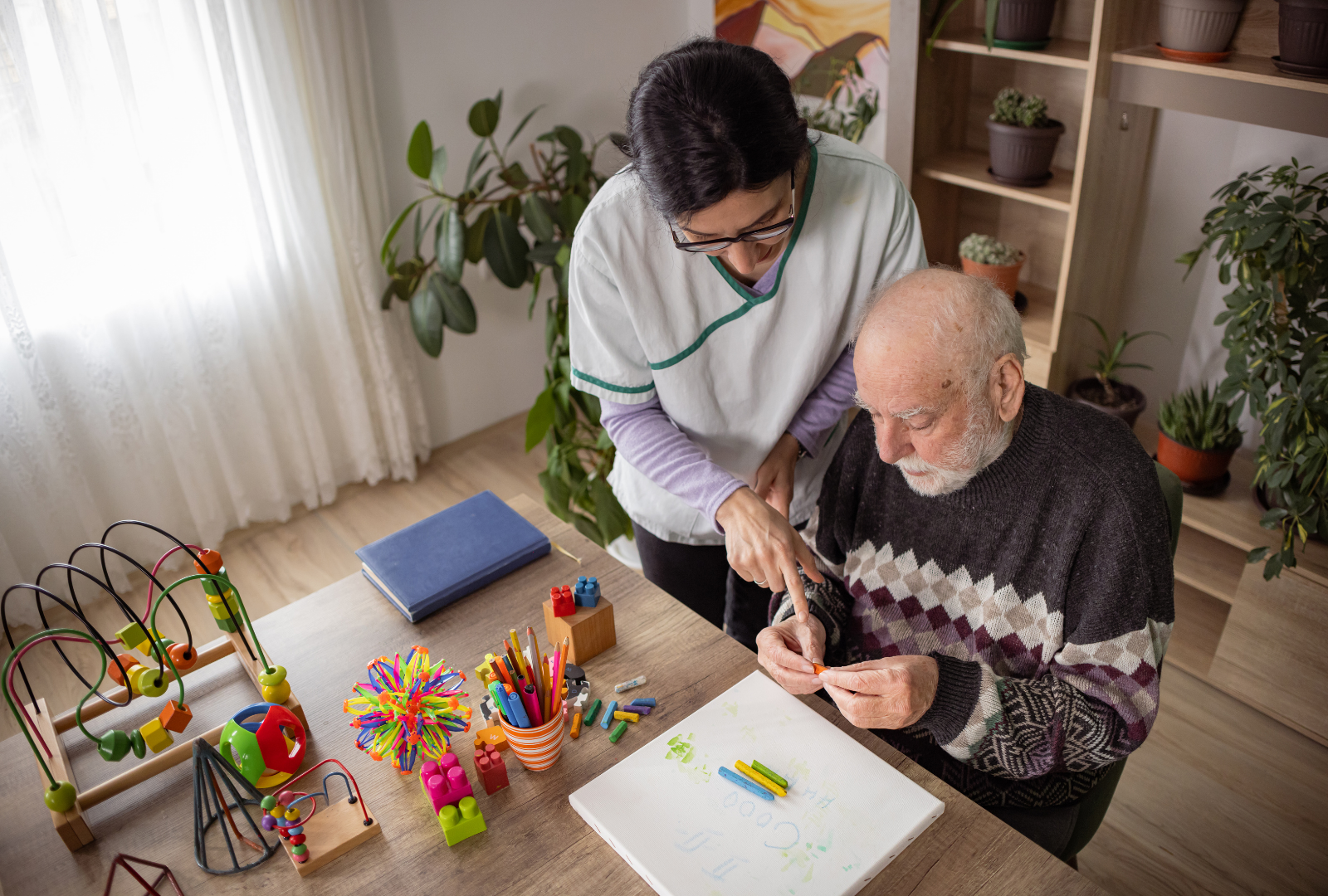
Choose activities that match the person’s current ability. Folding towels, listening to music, looking through family photos, watering plants, or taking a short walk can all support connection.
Make the home safer
Senior safety at home is especially important with dementia. Clear walkways, improve lighting, secure unsafe items, reduce clutter, and consider supervision for cooking, stairs, and outings.
Support the caregiver too
Family caregivers need rest, education, and relief. Dementia care can be emotionally demanding. Asking for help is not giving up. It is part of building a sustainable care plan.
Care Options and Solutions
Dementia care at home can include different levels of support depending on the person’s stage, safety needs, and family situation.
In-home care can help with daily routines, meal preparation, companionship, errands, light housekeeping, and safe activity at home.
Dementia and memory care offers more specialized support for memory changes, routine building, redirection, mental stimulation, safety supervision, and family guidance.
Home care aides can assist with activities of daily living, such as dressing, grooming, hygiene, mobility support, and meal routines.
Respite care gives family caregivers time to rest while their loved one receives patient, consistent support.
Post-hospital care can help if a person with dementia returns home after surgery, illness, or discharge. Transitions can be especially confusing, so added support can help reduce stress.
Medical oversight and advocacy can be helpful when families are managing multiple providers, medication changes, care transitions, or complex decisions.
The right care plan may start small. A few hours of support each week can help families understand what is needed and build trust over time.
Families learning about specialized dementia care may also find these pages helpful:
At Elite Care Northwest, dementia care is approached with patience, personalization, and respect for the whole family.
Some seniors need gentle companionship and routine. Others need more structured support for safety, personal care, memory changes, or post-hospital recovery. Families may also need help understanding what is normal, what is changing, and when to adjust the care plan.
As a physician-led home care agency serving Seattle and King County, Elite Care Northwest brings together compassionate caregivers and thoughtful oversight. This can be especially reassuring for families managing dementia, where care needs can change gradually or suddenly.
The focus is not on rushing decisions or replacing the family’s role. It is on helping seniors feel safer and more supported at home while giving families clearer guidance and peace of mind.
Dementia care is becoming more specialized because families need more than help with tasks.
They need caregivers who understand memory loss, communication changes, safety concerns, daily routines, and the emotional weight families carry. They need support that protects dignity, not just schedules. They need care that sees the person behind the diagnosis.
For seniors living with Alzheimer’s or another dementia, home can still be a place of comfort and connection when the right support is in place.
For families, specialized dementia care can bring relief. It can help them move from constant worry to a more guided, compassionate plan.
Dementia may change daily life, but families do not have to face those changes alone. With thoughtful care, calm routines, and the right support, home can remain a place of safety, dignity, and peace.