Understanding how nurse delegated care helps seniors receive safe, personalized medical support while aging at home
When families begin looking for home care, they often discover there are different levels of support available.
Some seniors only need companionship or help around the house. Others need assistance with more complex health needs, such as diabetes management, medication administration, or chronic medical conditions. At that point, families may hear a term they've never encountered before: nurse delegated care.
It sounds technical, but the concept is actually straightforward.
Nurse delegated care allows certain healthcare tasks to be safely performed by qualified caregivers under the supervision of a licensed registered nurse. This gives seniors access to needed care while remaining in the comfort of their own homes.
For many families in Washington State, nurse delegated care makes aging in place possible. It bridges the gap between traditional personal care and skilled nursing, helping seniors receive appropriate medical support without moving into a facility.
This guide explains what nurse delegated care is, how it works, who may benefit, and why physician-led oversight and professional nursing supervision play an important role in providing safe home care.
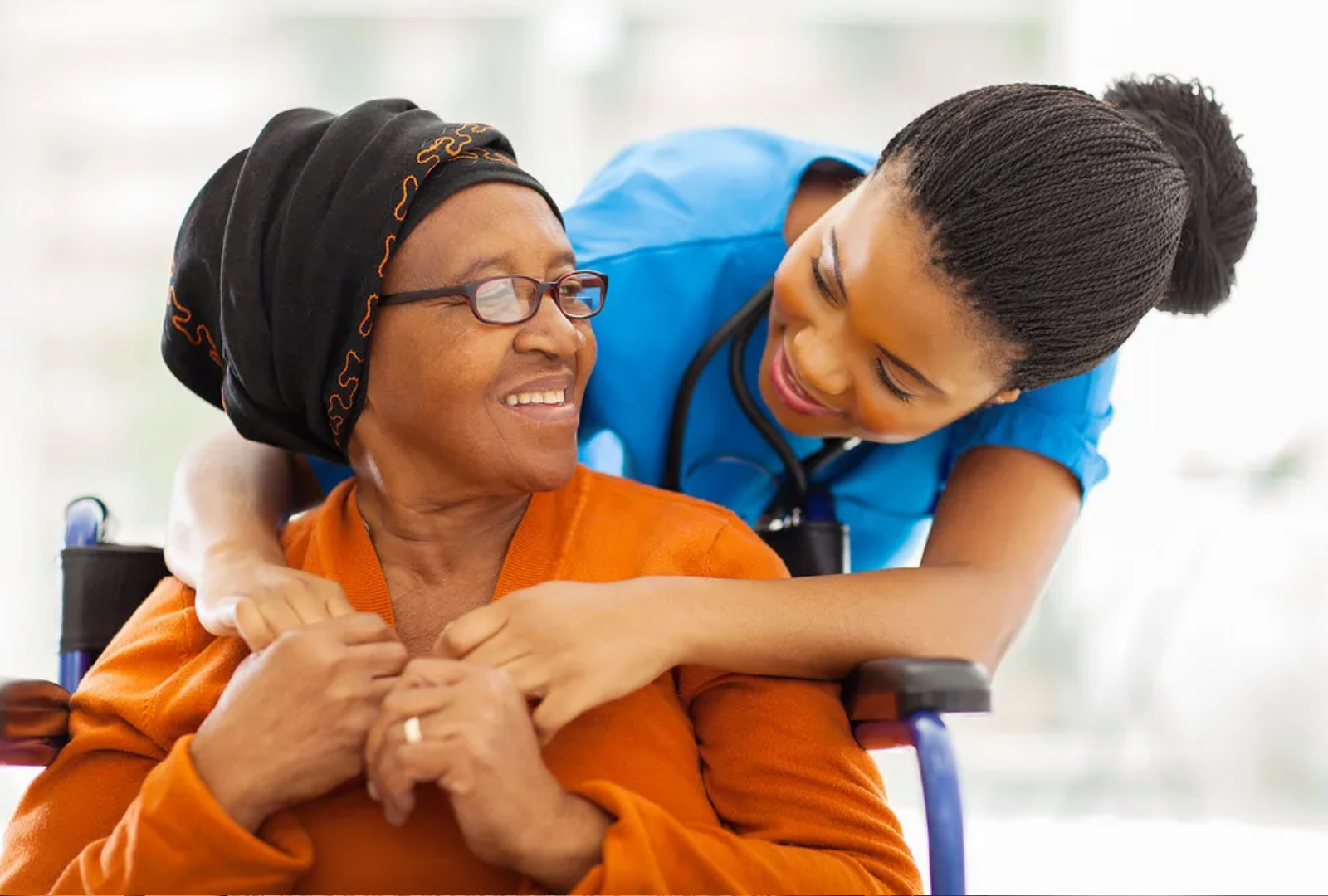
What Is Nurse Delegated Care?
Nurse delegated care is a model of care in which a Registered Nurse (RN) assesses a client, develops a care plan, trains qualified caregivers to perform specific healthcare tasks, and continues to supervise those delegated services.
The caregiver does not replace the nurse.
Instead, the RN remains responsible for determining whether delegation is appropriate, providing training, evaluating competency, and monitoring the client's ongoing condition.
This approach allows seniors to receive more advanced support at home while maintaining high standards of safety.
Depending on state regulations and the individual's care plan, delegated tasks may include:
Medication administration
Blood glucose monitoring
Insulin administration
Assistance with prescribed treatments
Basic wound care under delegation
Monitoring changes in health condition
Other approved healthcare tasks
Not every medical task can be delegated, and every client must first be evaluated by a Registered Nurse.
Why Nurse Delegated Care Matters
Today's seniors are living longer than ever before.
Many are managing multiple chronic conditions while still wanting to remain independent at home.
Conditions such as:
Diabetes
Heart disease
Parkinson's disease
Stroke recovery
Arthritis
COPD
Multiple sclerosis
often require ongoing daily support.
Without nurse delegated care, families may feel forced to choose between moving a loved one into a facility or attempting complicated healthcare tasks themselves.
Delegation offers another option.
With proper nursing supervision, trained caregivers can safely provide approved healthcare tasks while allowing seniors to remain where they feel most comfortable.

How Nurse Delegated Care Supports Aging in Place
Most older adults say they want to remain in their own homes for as long as possible.
Nurse delegated care helps make that goal more realistic.
Instead of traveling frequently to medical facilities or relying entirely on family members, seniors can receive appropriate support where they already live.
This approach often provides:
Greater independence
Better continuity of care
More familiar daily routines
Reduced caregiver stress
Improved medication consistency
Earlier recognition of health changes
Better coordination with healthcare providers
Receiving care at home can also reduce the disruption that often accompanies frequent healthcare visits.
What Daily Life Can Look Like
Imagine an older adult living with diabetes.
Before nurse delegated care, their adult daughter drives over every morning before work to help with insulin, returns during lunch to check blood sugar, and comes back again after work to make dinner and organize medications.
She loves her father, but she is exhausted.
With nurse delegated care, a Registered Nurse develops an individualized care plan and trains a qualified caregiver to perform approved delegated tasks.
Now the caregiver can assist safely with daily health routines while the nurse continues providing oversight.
The daughter is still actively involved in her father's care, but she no longer carries every responsibility alone.
Instead of spending every visit focused on healthcare tasks, she has more time to simply enjoy being with her father.
Who May Benefit from Nurse Delegated Care?
Nurse delegated care may be appropriate for seniors who:
Need daily medication assistance
Live with diabetes
Require insulin administration
Have stable chronic medical conditions
Need ongoing monitoring at home
Wish to avoid unnecessary facility placement
Are recovering from illness but no longer require skilled nursing visits
Want to continue aging in place safely
Every situation is different.
An RN determines whether delegation is appropriate based on the individual's health status, needs, and applicable state regulations.
Practical Guidance for Families
Families often wonder when it is time to ask about nurse delegated care.
Consider speaking with a home care provider if you notice:
Managing medications has become overwhelming.
Healthcare tasks are becoming too complicated.
Family caregivers feel anxious about performing medical tasks.
A loved one has recently returned home from the hospital.
Chronic conditions require daily monitoring.
Family members are providing medical care without enough support.
Safety concerns are increasing.
Early planning often allows families to build a sustainable care plan before a crisis develops.
Nurse Delegated Care vs. Traditional Home Care
Understanding the difference can help families choose the right level of support.

Traditional Home Care
Typically focuses on:
Companionship
Meal preparation
Light housekeeping
Transportation
Personal hygiene
Dressing
Bathing
Mobility assistance
Fall prevention
Nurse Delegated Care
Includes many of the services above while also allowing trained caregivers to perform certain approved healthcare tasks under RN supervision.
This creates a more comprehensive care plan for seniors with ongoing medical needs.
Care Options That Complement Nurse Delegated Care
Many seniors benefit from combining nurse delegated care with additional home care services.
In-Home Care helps with daily routines, companionship, meals, transportation, and household support.
Home Care Aides provide assistance with activities of daily living, mobility, grooming, dressing, bathing, and safety supervision.
Post-Hospital Care helps seniors transition safely home after surgery or hospitalization while reducing the risk of complications and hospital readmission.
Dementia and Memory Care provides specialized support for seniors experiencing cognitive decline, emphasizing routine, communication, and safety.
Together, these services create a personalized plan that adapts as a senior's needs change.
Families interested in nurse delegated care may also find these resources helpful:
At Elite Care Northwest, we understand that families often need more than assistance with daily living. They need guidance, clinical oversight, and confidence that care is being delivered safely.
As a physician-led home care agency serving Seattle and King County, we combine compassionate caregiving with personalized care planning. When nurse delegated care is appropriate, our care plans are developed with professional nursing oversight to help ensure delegated tasks are performed safely and according to Washington State regulations.
Our goal is to help seniors remain comfortable, independent, and supported at home while giving families greater peace of mind.
Nurse delegated care allows many seniors to receive the healthcare support they need without giving up the comfort of home.
It provides a thoughtful balance between independence and clinical oversight, making it possible for qualified caregivers to assist with certain healthcare tasks under the supervision of a Registered Nurse.
For families, this can reduce stress, improve confidence, and create a more sustainable caregiving plan.
As healthcare needs change with age, the right support does not always mean moving to a higher level of care. Sometimes it means bringing the right expertise into the home.
With careful planning, professional supervision, and compassionate caregivers, nurse delegated care can help seniors continue aging in place safely while giving families the reassurance they deserve.