The Rising Demand for In-Home Senior Care in 2026
A Turning Point for Senior Care
Across the country, 2026 is shaping up to be a defining year for how families approach aging.
The number of older adults is increasing rapidly, and with that growth comes a shift in expectations. Seniors today are not only living longer—they are also choosing to live differently.
More than ever, they want to remain at home.
This growing preference is driving a surge in in-home senior care, changing how families think about support, safety, and long-term care planning.
Why Demand for In-Home Care Is Rising
Several factors are coming together to accelerate this trend.
1. A Rapidly Growing Aging Population
The number of adults over 65 continues to rise each year. As life expectancy increases, more families are navigating how to support aging parents for longer periods of time.
This means care needs are not temporary. They often evolve over years, requiring flexible and adaptable solutions.
2. Strong Preference for Aging in Place
Most seniors consistently express a desire to remain in their own homes.
Home offers:
Familiar surroundings
Personal routines
Emotional comfort
A sense of independence
For many, staying at home is not just a preference—it is part of maintaining identity and dignity.
3. Care Needs Are Becoming More Complex
With longer lifespans come more chronic conditions and recovery periods.
Families are managing:
Post-surgical recovery
Chronic illness routines
Mobility challenges
Cognitive changes
These needs often require ongoing, structured support, not just occasional help.
4. Families Are More Informed Than Before
Today’s families are doing more research and exploring more options before making decisions.
Instead of defaulting to facility placement, they are asking:
Can we support this at home first?
What level of care is actually needed?
Can we start with part-time help?
This shift toward proactive planning is fueling the growth of home-based care.

What “In-Home Care” Really Means in 2026
In-home care is no longer seen as a limited or temporary solution.
It now includes a wide range of support tailored to individual needs, such as:
Help with bathing, dressing, and daily routines
Medication reminders and health monitoring
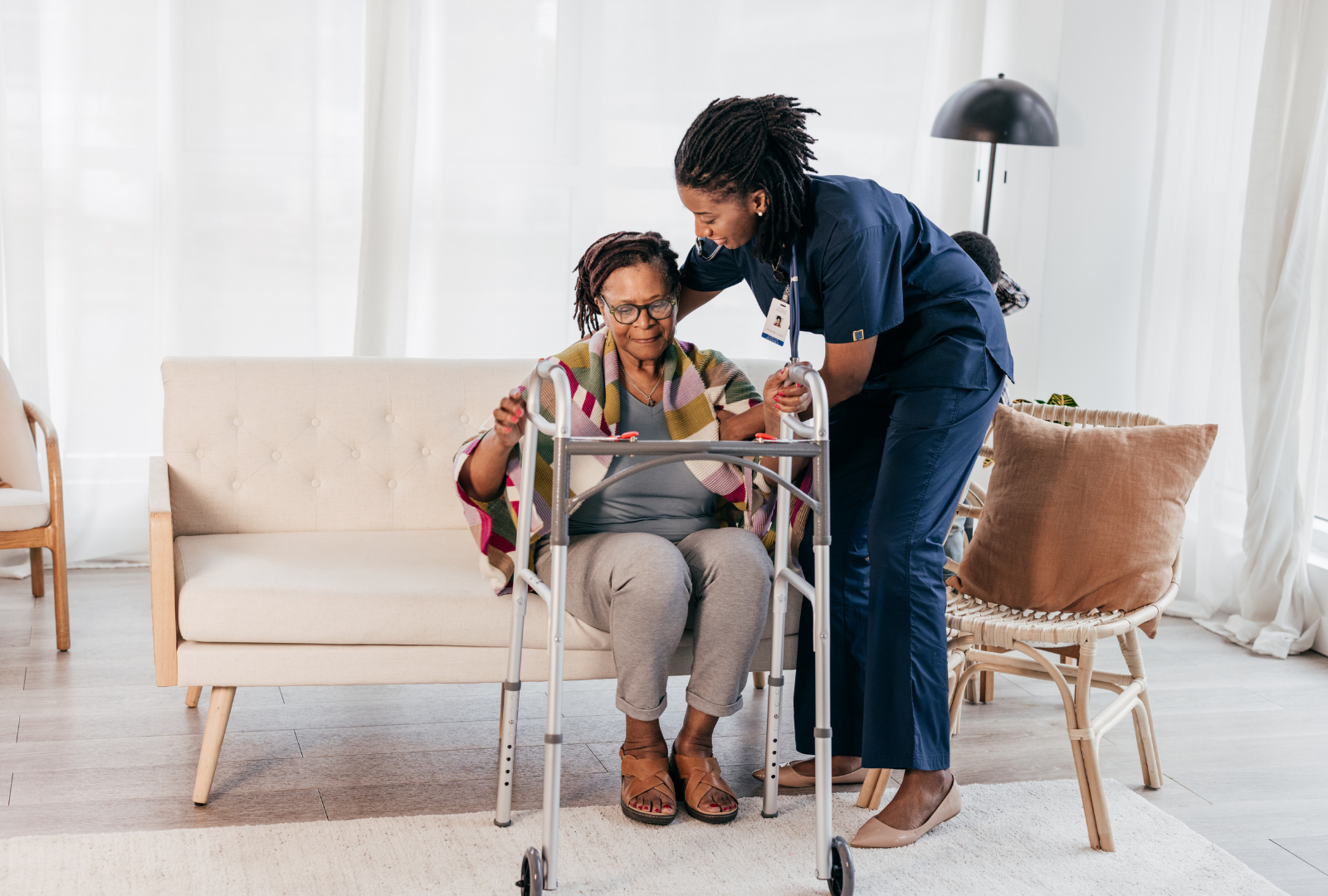
Mobility assistance and fall prevention
Meal preparation and hydration support
Companionship and emotional engagement
Short-term recovery support after hospital stays
Families often begin with light support and expand services as needs grow.
Why Families Are Choosing Home-Based Care First
The surge in demand is not just about availability. It reflects what families value most.
Flexibility
Care can start small and increase gradually without requiring a major life transition.
Personalization
Support is tailored to the individual, not built around a facility schedule.
Continuity
Seniors remain in a familiar environment, reducing stress and confusion.
Peace of Mind
Families know someone is present to monitor safety, routines, and well-being.
A Common Situation in 2026
A parent begins to slow down. Meals are less consistent. Mobility is not as steady. Medications become harder to track.
In the past, families might have considered a facility quickly.
Now, many choose to start with in-home support.
A caregiver visits a few times a week. Routines improve. Safety increases. Stress decreases.
The situation stabilizes without requiring a major transition.
This is the shift happening across families today.
The Role of
Short-Term
and Respite Care
Another reason for the surge in in-home care is the rise of short-term and respite services.
Families are using these services to:
Support recovery after hospital stays
Provide coverage during travel or work
Reduce caregiver burnout
Test care options before making long-term decisions
What This Means for Your Family
If you are beginning to notice changes in a loved one, you are not alone.
In 2026, most families are not asking whether care is needed. They are asking:
How can we support them at home safely?
What level of care makes sense right now?
Can we avoid a major transition?
The growing availability of in-home care means you have more options than ever before.
You do not have to make all decisions at once. You can start with support that fits your current situation and adjust over time.
How Elite Care Northwest Supports Families in This Shift
At Elite Care Northwest, we see this shift happening every day across Seattle and King County.
Families are choosing care that is:
Flexible
Personalized
Preventive
Built around the home
We support this by providing:
Customized in-home care plans
Short-term recovery support after hospital stays
Ongoing daily assistance when needed
Respite care for families balancing responsibilities
Consistent caregiver matching for trust and stability
As a physician-led home care agency, we combine medical awareness with compassionate daily support, helping families navigate care decisions with confidence.
The surge in in-home senior care in 2026 is not a trend by chance. It reflects a deeper shift in how families think about aging.
More people are choosing to stay home. More families are seeking flexible, supportive solutions. And more care is being delivered where it matters most—inside the home.
With the right support in place, aging at home can be safe, sustainable, and reassuring for everyone involved.
If your family is exploring what care could look like, Elite Care Northwest is here to help you take the next step with clarity and care.