Helping Seniors Stay Mobile, Confident, and Independent: 6 Practical Care Strategies

Mobility is one of the most important parts of healthy aging. For many older adults, being able to move safely through the day means more than walking from one room to another. It means getting dressed with confidence, joining meals, visiting family, going outside, attending appointments, and continuing to feel connected to everyday life.
When mobility starts to change, families may notice small signs first. A loved one may move more slowly, avoid stairs, hold onto furniture, feel nervous about leaving the house, or become less active after a fall, surgery, illness, or hospital stay.
These changes can be emotional. Seniors may worry about losing independence. Families may worry about safety. The right support can help bridge both needs.
The goal is not to take independence away. The goal is to make daily life safer, steadier, and more manageable so older adults can keep doing as much as possible for themselves.
Falls are a major safety concern for older adults, but the CDC notes that falls are not an inevitable part of aging and that prevention steps can reduce risk. Physical activity also plays an important role in maintaining strength, balance, and daily function. The CDC recommends that older adults include aerobic activity, muscle-strengthening activity, and balance-focused activity as part of their routine when safely able to do so.
Below are six practical ways senior living communities, families, and in-home care teams can help support mobility, confidence, and independence.
1. Create a Safer Daily Environment
A safe environment makes movement easier and less stressful. Many mobility challenges become harder when the home or living space is cluttered, poorly lit, or difficult to navigate.
Small changes can make a meaningful difference.
Helpful steps may include:
Removing loose rugs or cords from walking paths
Improving lighting in hallways, bedrooms, and bathrooms
Keeping frequently used items within easy reach
Adding grab bars where appropriate
Making sure shoes fit well and have supportive soles
Keeping mobility aids nearby and in good condition
Reducing clutter around beds, chairs, and doorways
For seniors living at home, family members may want to walk through the house and look at it from the perspective of someone with slower movement, weaker balance, or limited vision.
For senior living communities, this same idea applies to shared spaces. Wide pathways, clear signage, comfortable seating areas, good lighting, and easy access to dining or activity rooms can help residents feel more confident moving around.
The National Institute on Aging also encourages home safety steps such as reducing tripping hazards, improving lighting, and making bathrooms safer for older adults.
2. Encourage Strength, Balance, and Gentle Movement
Mobility often depends on strength, balance, flexibility, and confidence. When older adults become less active, their bodies may become weaker over time. This can create a difficult cycle: movement feels harder, so the person moves less, which can make future movement even more difficult.
Gentle, consistent movement can help support daily function.
Depending on the person’s health and provider guidance, activities may include:
Short walks
Chair exercises
Stretching
Balance exercises
Light strength training
Physical therapy exercises
Group movement classes
Supervised walking routines
The CDC identifies moderate-intensity activity, muscle-strengthening exercises, and balance activities as important parts of physical activity for older adults.
The key is to make movement realistic. Not every senior needs an intense exercise program. For many older adults, the most helpful routine is one they can do safely and consistently.
A care aide, family caregiver, or community staff member can help by encouraging gentle movement, offering steady assistance, and celebrating small progress.
3. Support Daily Tasks Without Taking Over
Independence does not mean doing everything alone. It often means being supported in a way that preserves dignity and choice.
For example, a senior may still be able to dress independently but need help choosing clothing, balancing safely, or fastening buttons. Another person may be able to prepare a simple breakfast but need someone nearby for reminders, setup, or supervision.
The best support often looks like partnership rather than control.
This may include:
Giving the person time to complete tasks
Offering choices when possible
Breaking tasks into simple steps
Helping only where help is needed
Encouraging safe participation in daily routines
Avoiding rushing or overcorrecting
Respecting personal preferences
This approach can be especially helpful with bathing, dressing, grooming, mobility, meals, and light household routines.
For families, Home Care Aides can help provide this kind of day-to-day support while encouraging seniors to stay involved in their own care as much as possible.
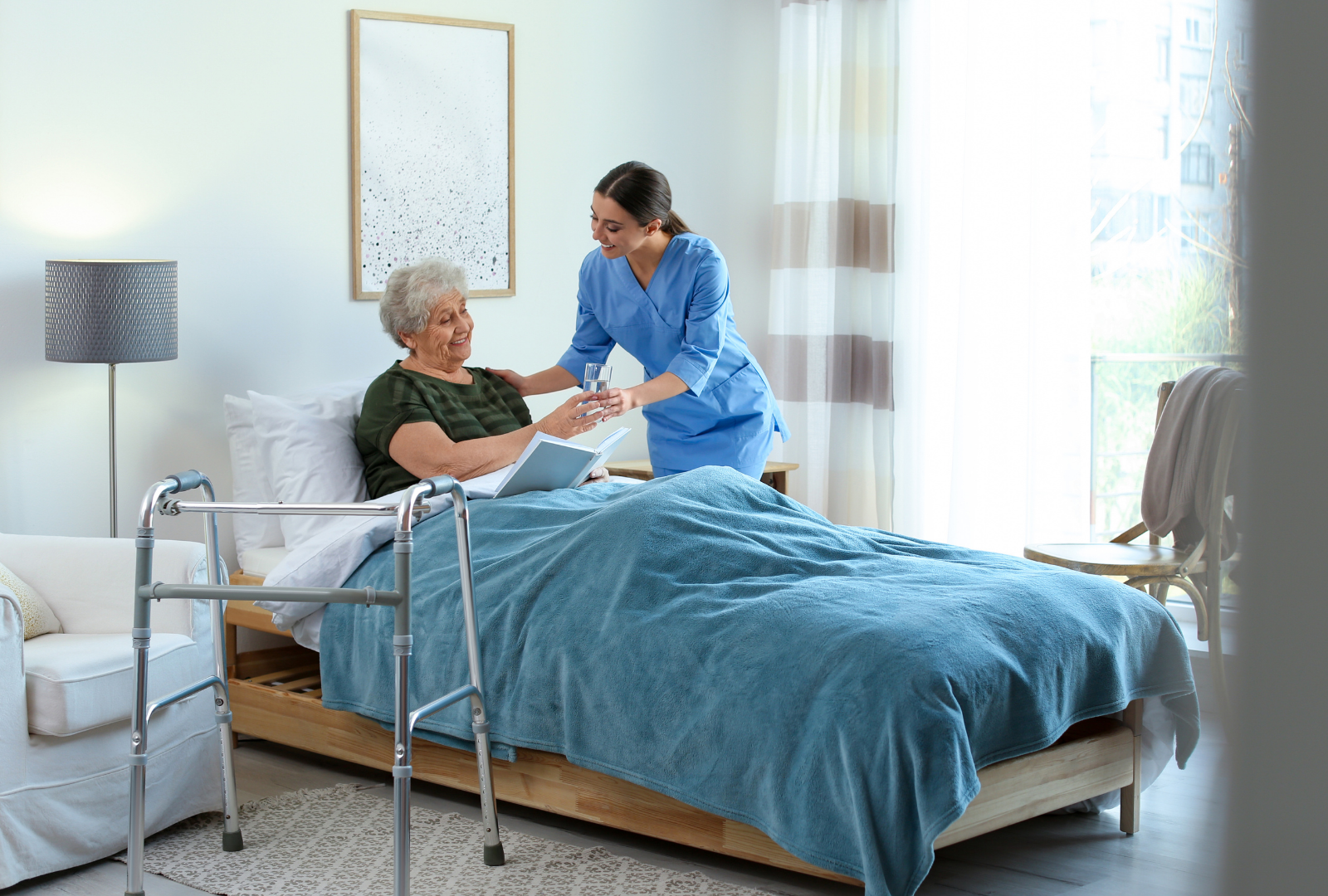
4. Build Confidence After a Fall, Surgery, or Hospital Stay
A fall, surgery, illness, or hospital stay can change how a senior feels about movement. Even when the body is healing, fear can remain.
A loved one may say:
“I do not want to fall again.”
“I feel weak.”
“I am not ready to walk alone.”
“I used to be able to do this.”
“I do not want to be a burden.”
These feelings are understandable. A sudden change in mobility can affect confidence, mood, and independence.
Support after a transition home can make a major difference. Families may need help with safe movement, reminders, meal support, medication routines, follow-up appointments, and monitoring changes in condition.
For seniors returning home after a hospital stay, Hospital-to-Home Discharge Care can help create a safer and more organized transition. For those recovering after surgery, Postoperative Care may provide helpful support with daily routines, mobility assistance, and recovery-related needs at home.
The goal is not to rush recovery. The goal is to help the person regain routine safely and with reassurance.
5. Make Mobility Part of Social and Daily Life
Mobility is easier to maintain when it is connected to meaningful routines.
Walking to a meal, joining a group activity, watering plants, going outside, folding laundry, or visiting with family can all encourage movement in a natural way. These activities may feel more motivating than “exercise” alone.
Senior living communities can support this by creating accessible activities that encourage residents to move at their own pace. Families can support this at home by building small moments of movement into the day.
Examples include:
Walking to the mailbox with support
Taking a short walk after breakfast
Standing during simple kitchen tasks
Joining a seated exercise class
Going outside for fresh air
Helping with light household routines
Attending family gatherings with mobility support
Creating a consistent daily walking routine
The emotional side matters too. Seniors are more likely to stay engaged when movement feels safe, purposeful, and connected to something they enjoy.
6. Coordinate Care Around the Whole Person
Mobility challenges are rarely about one issue alone. A senior’s movement may be affected by strength, balance, medications, vision, pain, memory changes, nutrition, sleep, recovery status, or chronic health conditions.
That is why families should look at the full picture.
Questions to consider include:
Has there been a recent fall?
Has mobility changed suddenly?
Is the person avoiding activities they used to enjoy?
Are medications causing dizziness or fatigue?
Is pain limiting movement?
Are there vision or balance concerns?
Is the person eating and drinking enough?
Is memory loss affecting safety?
Is the caregiver becoming overwhelmed?
The CDC’s STEADI initiative focuses on fall prevention for older adults and includes attention to risk factors such as fall history, gait, balance, medications, vision, and home safety.
For families managing multiple concerns, Medical Oversight & Advocacy can help bring more clarity to care planning, provider communication, and family decision-making.
For seniors who need broader daily support at home, In-Home Health Care can help create a personalized care plan that supports safety, comfort, and independence.
When Families Should Consider Additional Support
Families often wait until a crisis happens before asking for help. But mobility support can be useful much earlier.
It may be time to consider additional support if your loved one:
Has fallen or nearly fallen
Avoids walking or leaving the house
Holds onto furniture for balance
Has trouble getting in or out of bed or chairs
Needs help bathing, dressing, or using the bathroom
Seems weaker after surgery, illness, or hospitalization
Misses meals or medications due to mobility challenges
Has memory changes that affect safety
Feels anxious about moving around alone
Depends heavily on one family caregiver
Support does not have to mean a major change all at once. Sometimes a few hours of help each week can give families reassurance and help seniors stay more confident in their routines.
Elite Care Northwest helps families in Seattle and King County create personalized in-home care plans that support safety, comfort, and daily independence.
For seniors with mobility challenges, support may include help with personal care, walking assistance, daily routines, companionship, reminders, family communication, and coordination around changing care needs.
The care approach is warm, respectful, and family-centered. As a physician-led home care agency, Elite Care Northwest brings thoughtful oversight to care planning while keeping the focus on the person’s dignity, preferences, and quality of life.
Families do not need to wait until everything feels unmanageable. A conversation can help clarify what type of support may be appropriate and how to make daily life feel steadier at home.
Mobility and independence are deeply connected. When older adults feel safer moving through the day, they are more likely to stay engaged, confident, and connected to the people and routines that matter.
Supporting mobility does not mean pushing too hard. It means creating safer spaces, encouraging gentle movement, offering help without taking over, rebuilding confidence after health changes, and coordinating care around the whole person.
Whether a senior lives at home or in a community setting, the right support can help preserve dignity and peace of mind.
Families do not have to figure it out alone. With thoughtful planning and compassionate care, mobility support can become part of a safer, more confident daily routine.